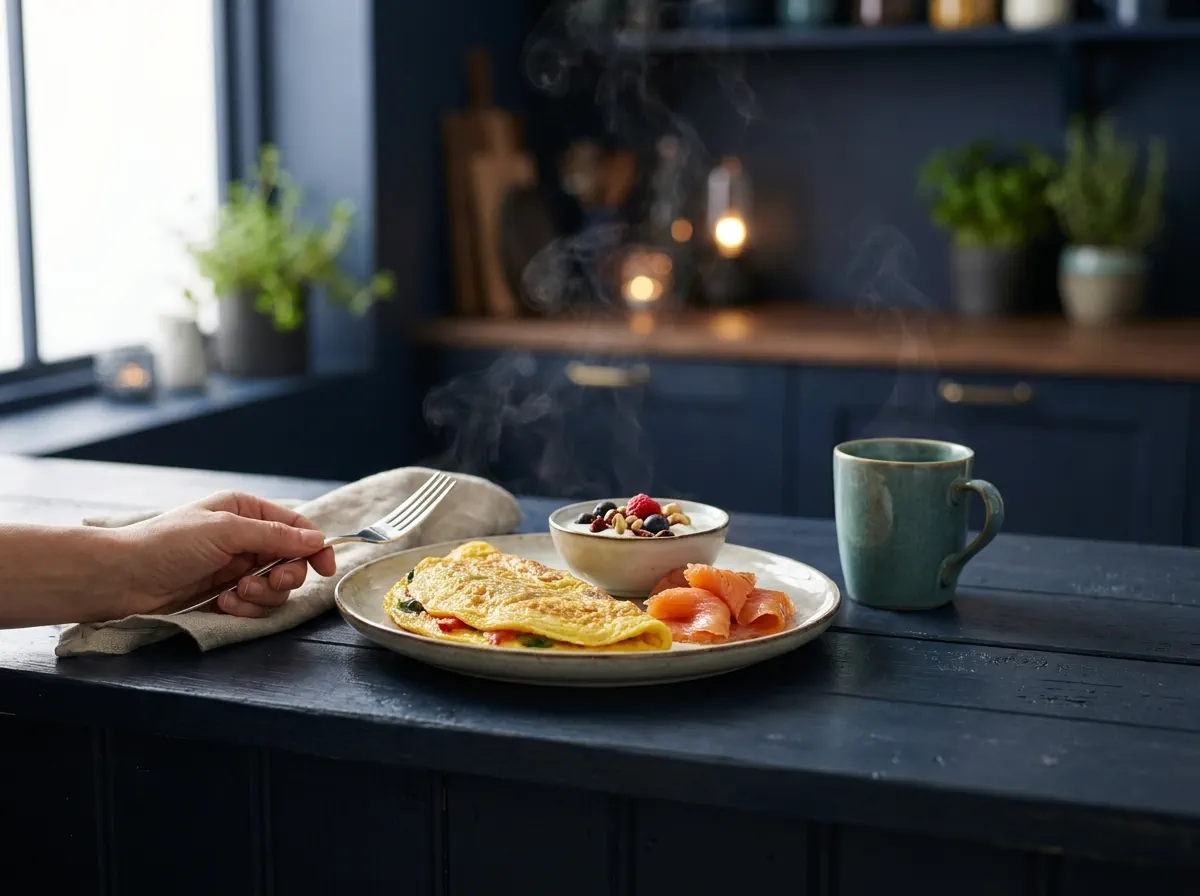
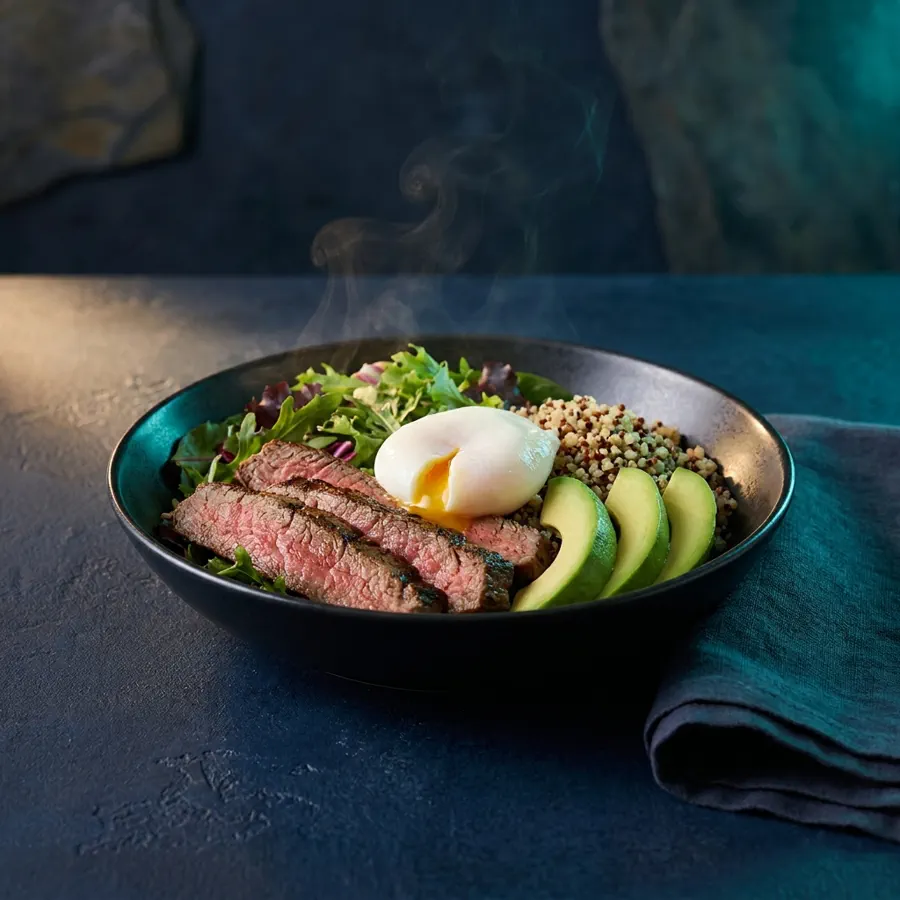
Steak & egg breakfast bowl
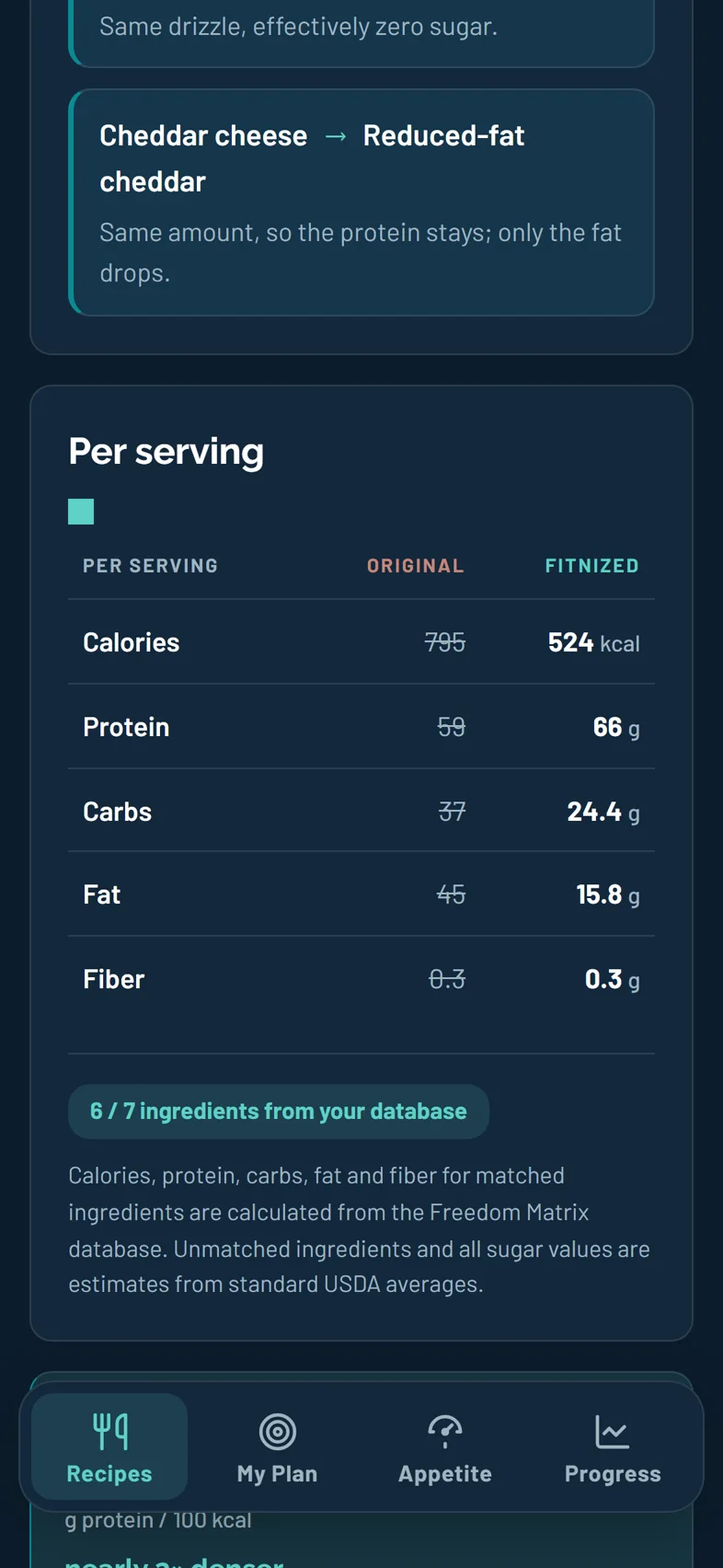
795 → 524 kcal−34%
protein 59 → 66 g
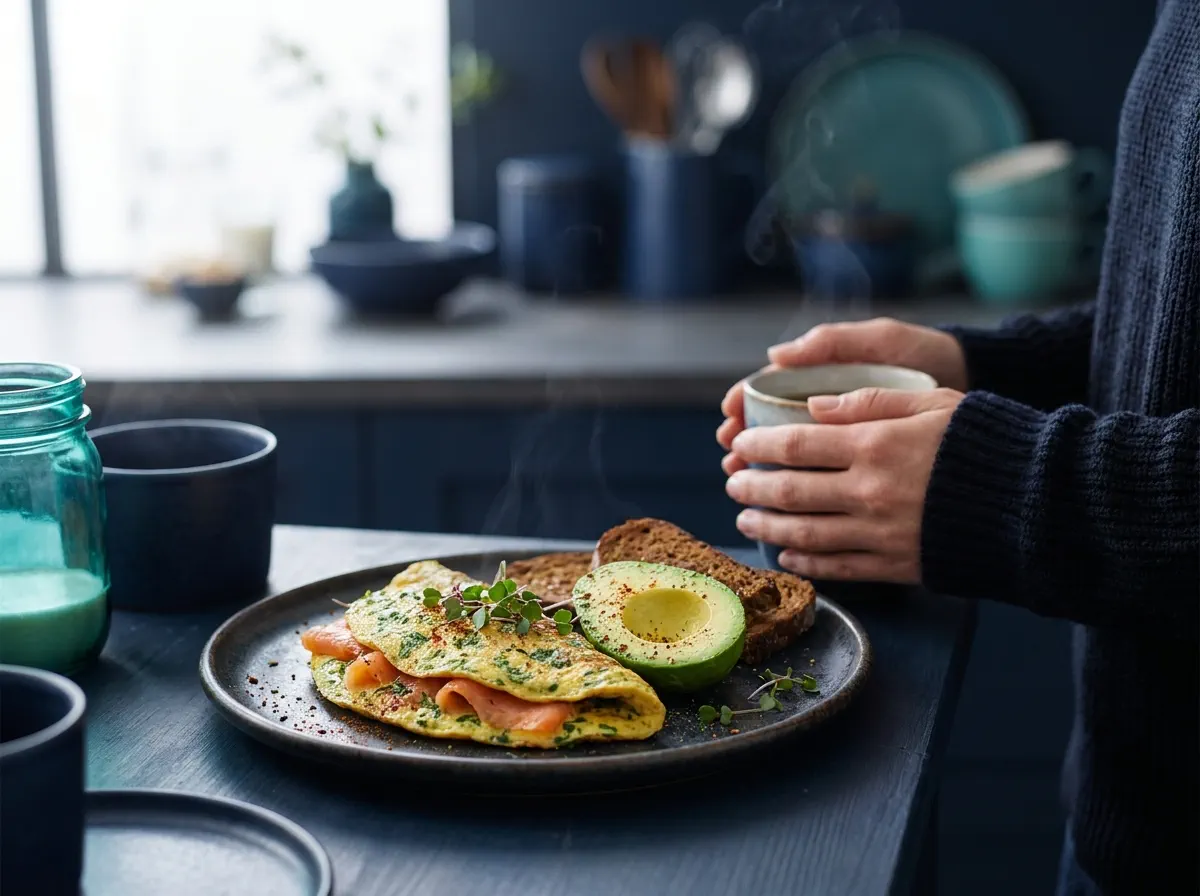
Paste a recipe you already love. Fitnizer rebuilds it protein-first, computes every macro from a vetted food database, and sends the ingredients to Instacart. The same food you love, with more protein and fewer calories. For a healthier week, a training block, or dinner for the whole family.


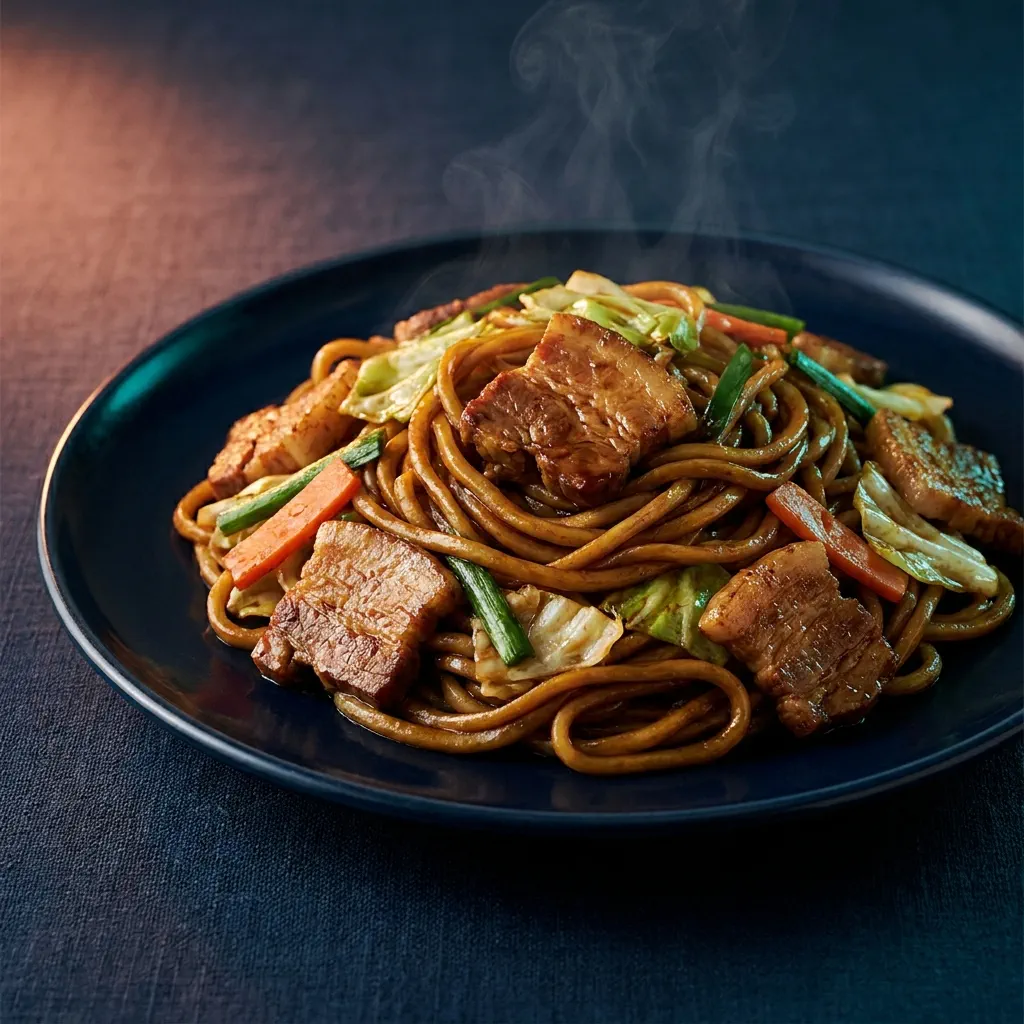
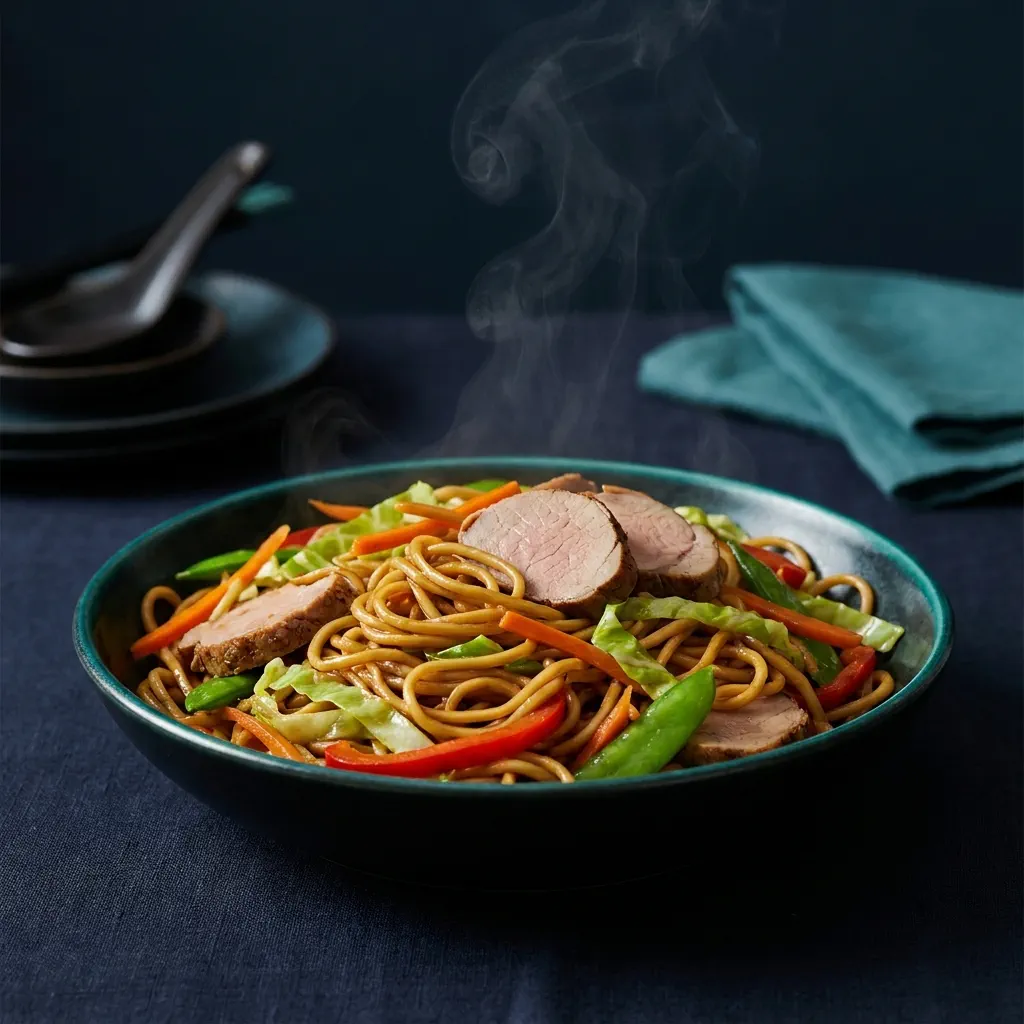
Yakisoba with pork belly · pork belly → roasted pork tenderloin · real rebuild by the Fitnizer engine, per serving.
Appetite drops for all sorts of reasons: a busy day, a hard training block, a lighter week. What does not change is that the protein has to come first as the plate gets smaller. Fitnizer is built to protect that, so a smaller plate still does its job.
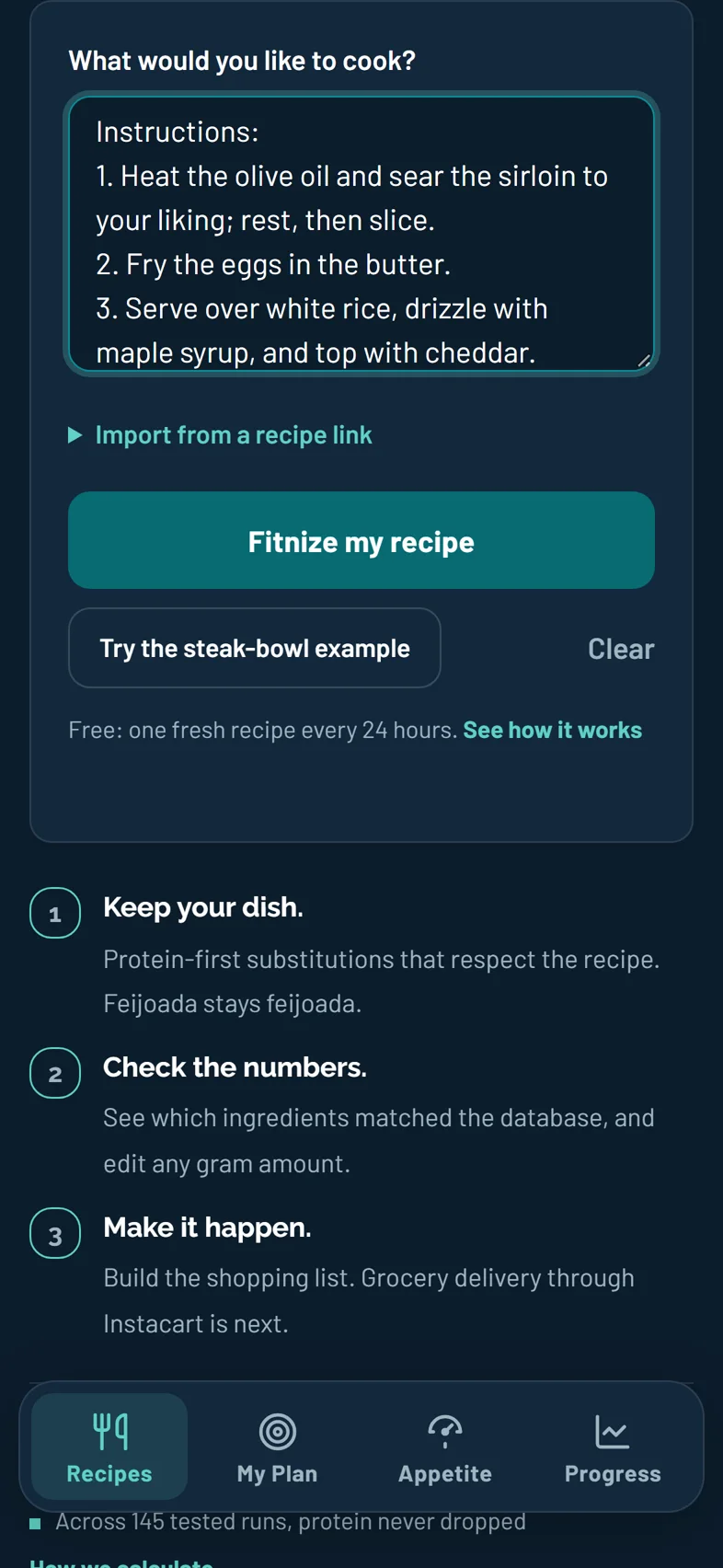
Drop in any recipe: a link to a recipe page, or the recipe text itself.
One tap. The AI proposes the swaps and the gram weights; a calculator does the arithmetic. Same dish, protein first.
Protein, calories and fat per serving, computed from a vetted database. Estimates are marked, never hidden.
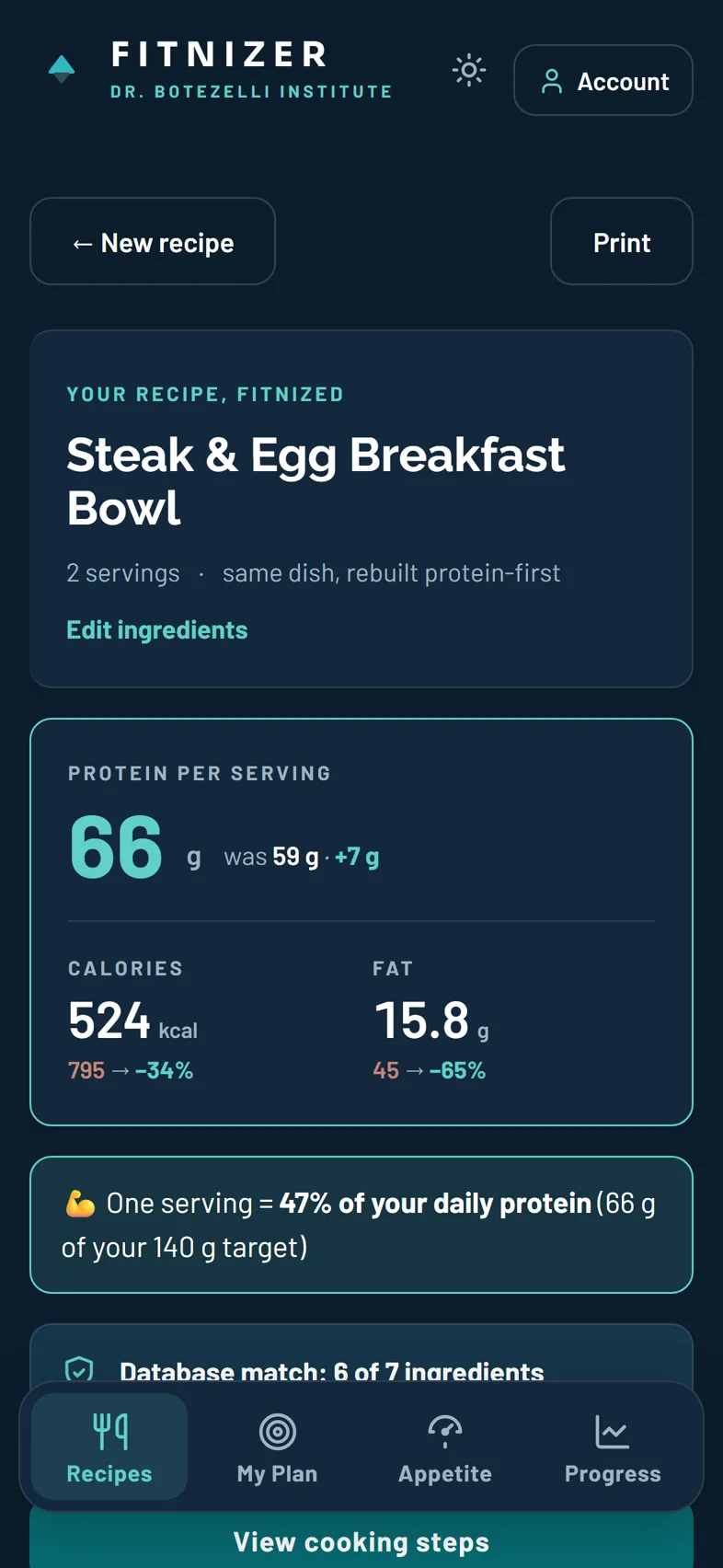
Protein never drops: the app checks every rebuild and fixes it before you see it. That is the one rule the engine will not break.
Lighter versions of the food you already love, with the protein kept.
Your own recipes, rebuilt — not a diet of someone else's meals. Nothing banned, nothing extreme.
protein 59 → 66 g
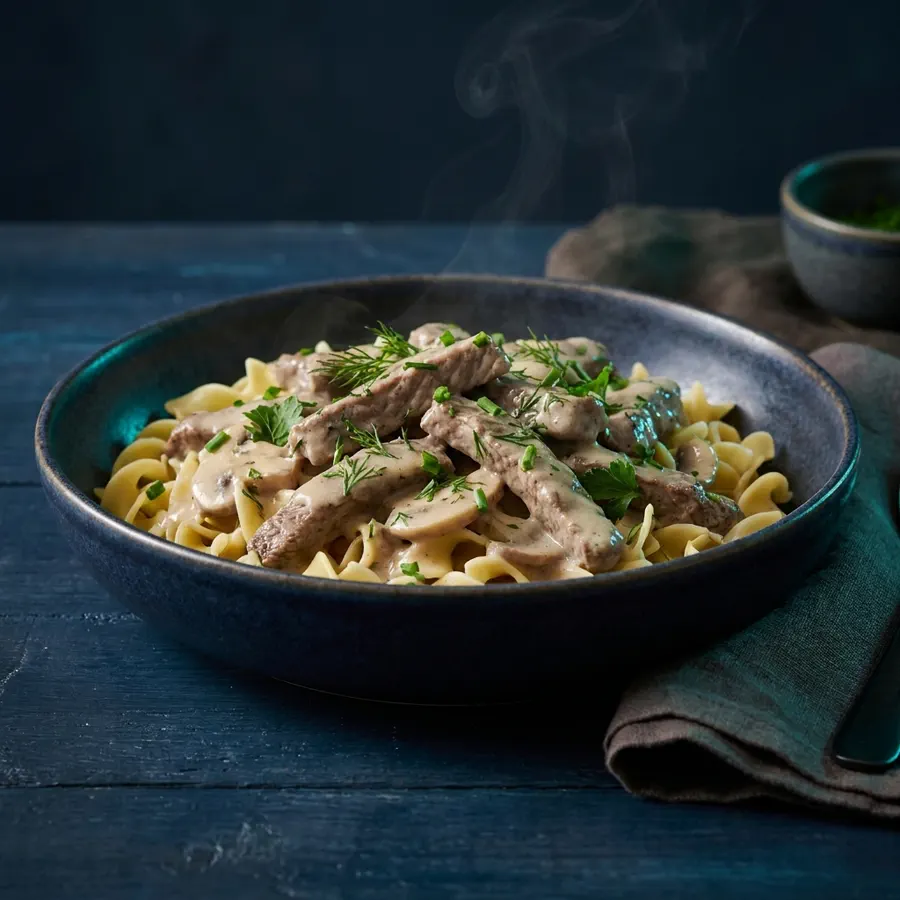
protein 40 → 42 g
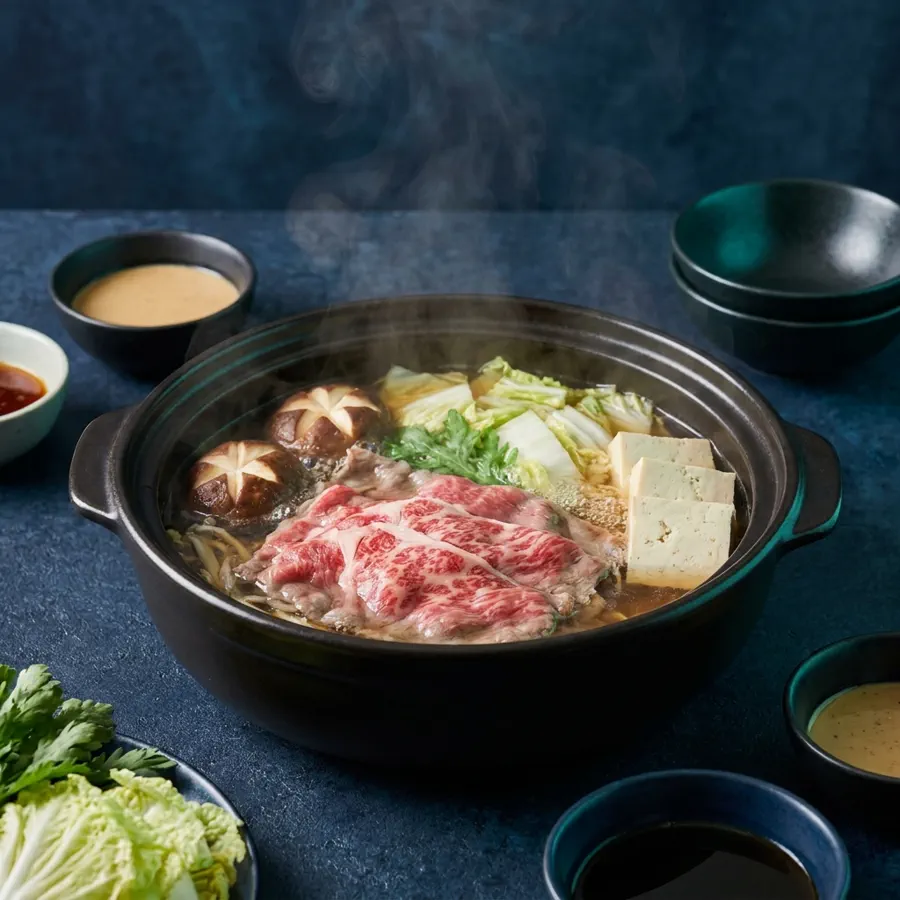
protein 54 → 58 g
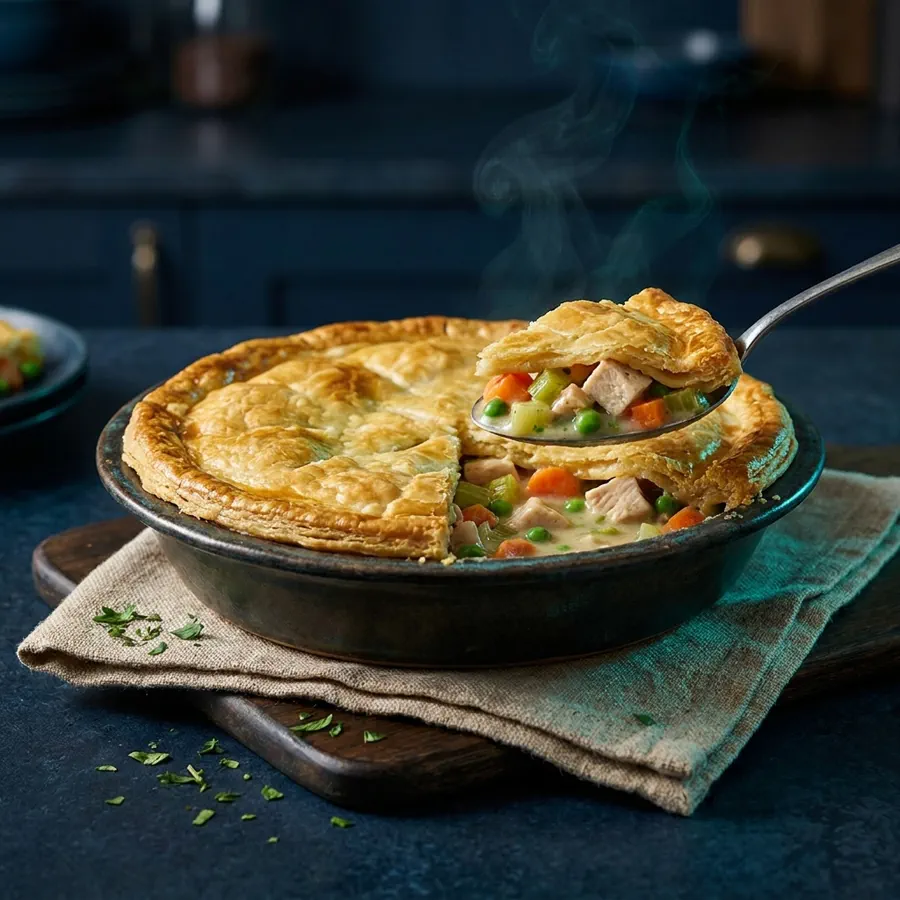
same comfort, fat 25 → 11 g
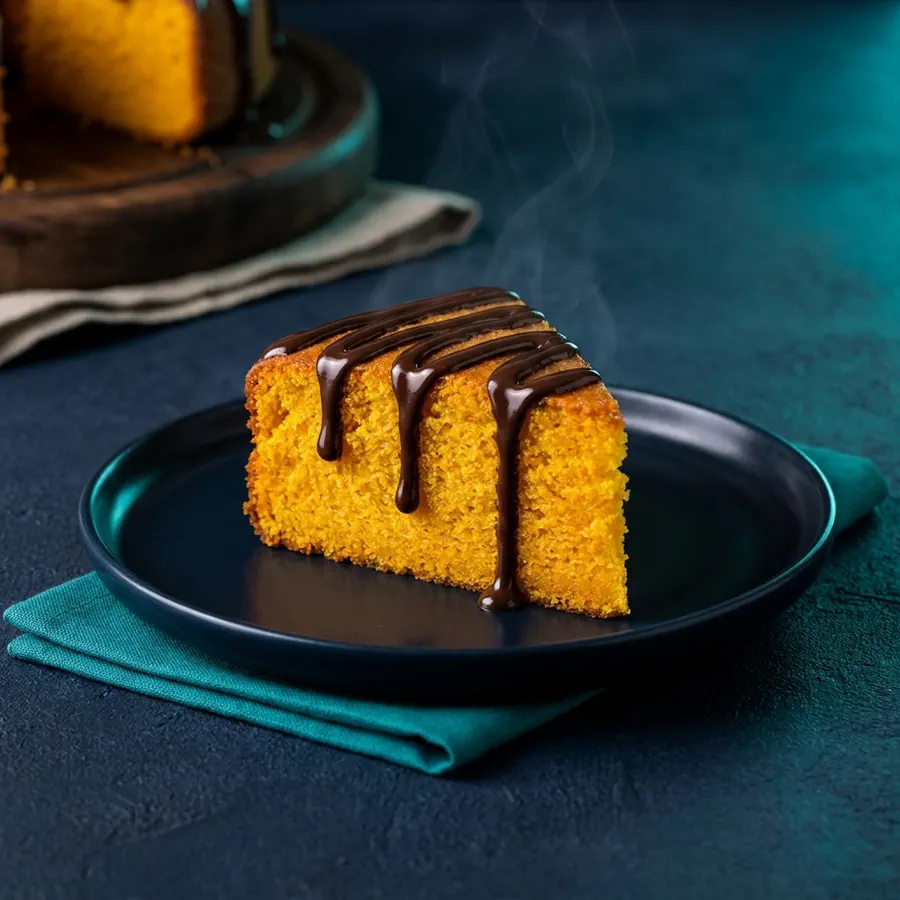
dessert, allowed
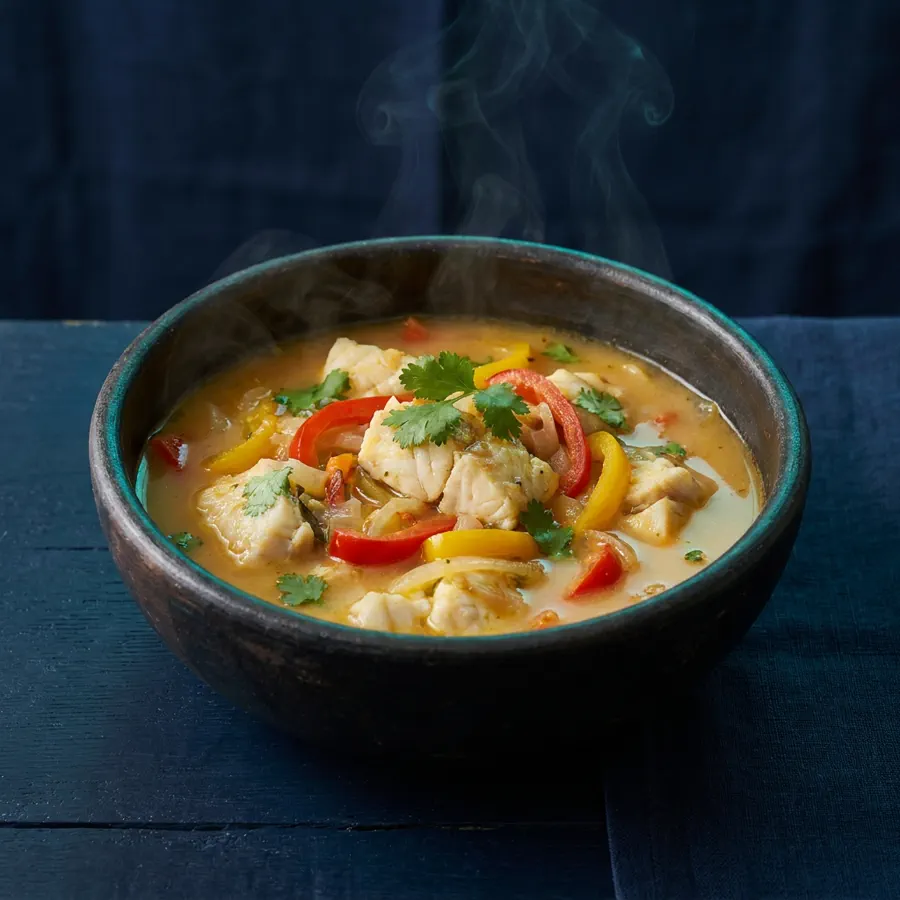
68 g protein, untouched
All numbers are real rebuilds from the Fitnizer engine, per serving.
Calories, protein, carbs, fat and fiber computed from a vetted nutrition database, per serving, before and after.
Protein never drops: the app checks every rebuild. Feijoada stays feijoada and a signature cut keeps its cut: the rules refuse to turn your food into diet food.
Free gives you 5 rebuilds, saved to your account. Pro gives you 3 new rebuilds a day with no rating step, and the coaches plan gives you 10.
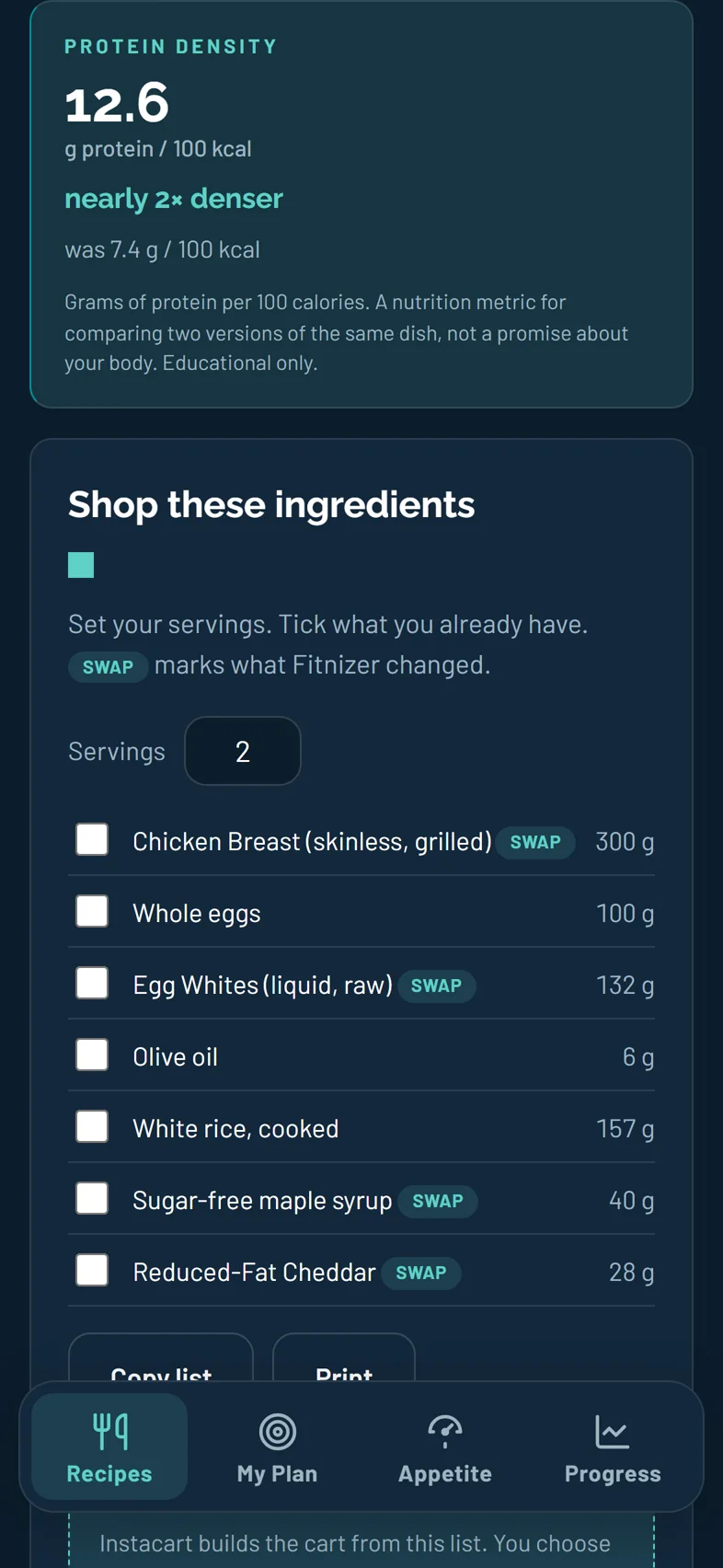
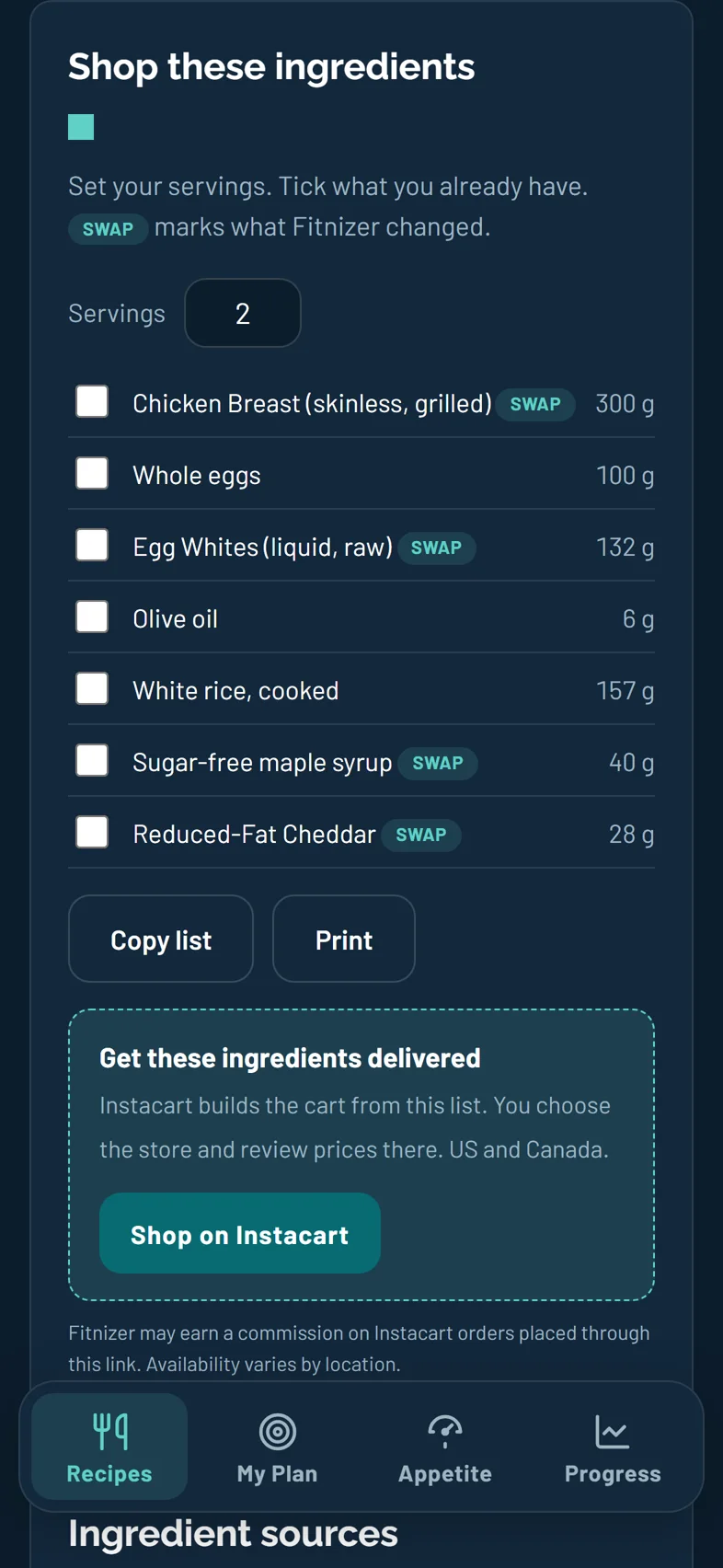
Every Fitnized recipe becomes a shopping list. Set your servings, tick the pantry items you already own, and send the rest to Instacart. You choose the store and see every price before you buy. United States and Canada.
Fitnizer may earn a commission on Instacart orders placed through the app. Availability varies by location.
Fitnizer isn't a random search or a chatbot guessing at a "healthy version." Every rebuild follows the same evidence a clinician would use — protein-first swaps drawn from published research, fat and texture choices grounded in how the body actually digests food, and macros calculated from a vetted database.
Protein is the part of a meal most people fall short on, and it is what keeps a plate satisfying. Fitnizer rebuilds every recipe protein-first, and never lets protein drop below the original.
Heavy, high-fat meals sit in the stomach longer, which is uncomfortable when your appetite is already small. Fitnizer trims the fat that isn't earning its place — swapping cooking oils, creams and fatty cuts for lean equivalents — so a meal sits easier when your appetite is low.
You can't live on shakes and protein water — and you shouldn't have to. The point is to keep eating the meals you actually enjoy, rebuilt to fit your goal. Real, satisfying food with enough calories to function is what makes fat loss something you sustain for months, not days.
A leaner recipe only helps if you'll actually make it again. So each rebuild respects the chemistry of the dish — choosing sweeteners that still brown and caramelize, protecting texture through the right cooking temperatures, and staying as close to the original as the numbers allow. The goal is the same dish, not a diet version of it.
Ask a chatbot for a "healthy version" and it will confidently invent numbers. A web search just hands you someone else's recipe. Fitnizer is different: the AI only proposes the ingredients and amounts — every calorie, gram of protein, carb and fat is then calculated from a vetted database of 818 foods, using rules designed by a physiologist. The numbers are computed, not guessed.
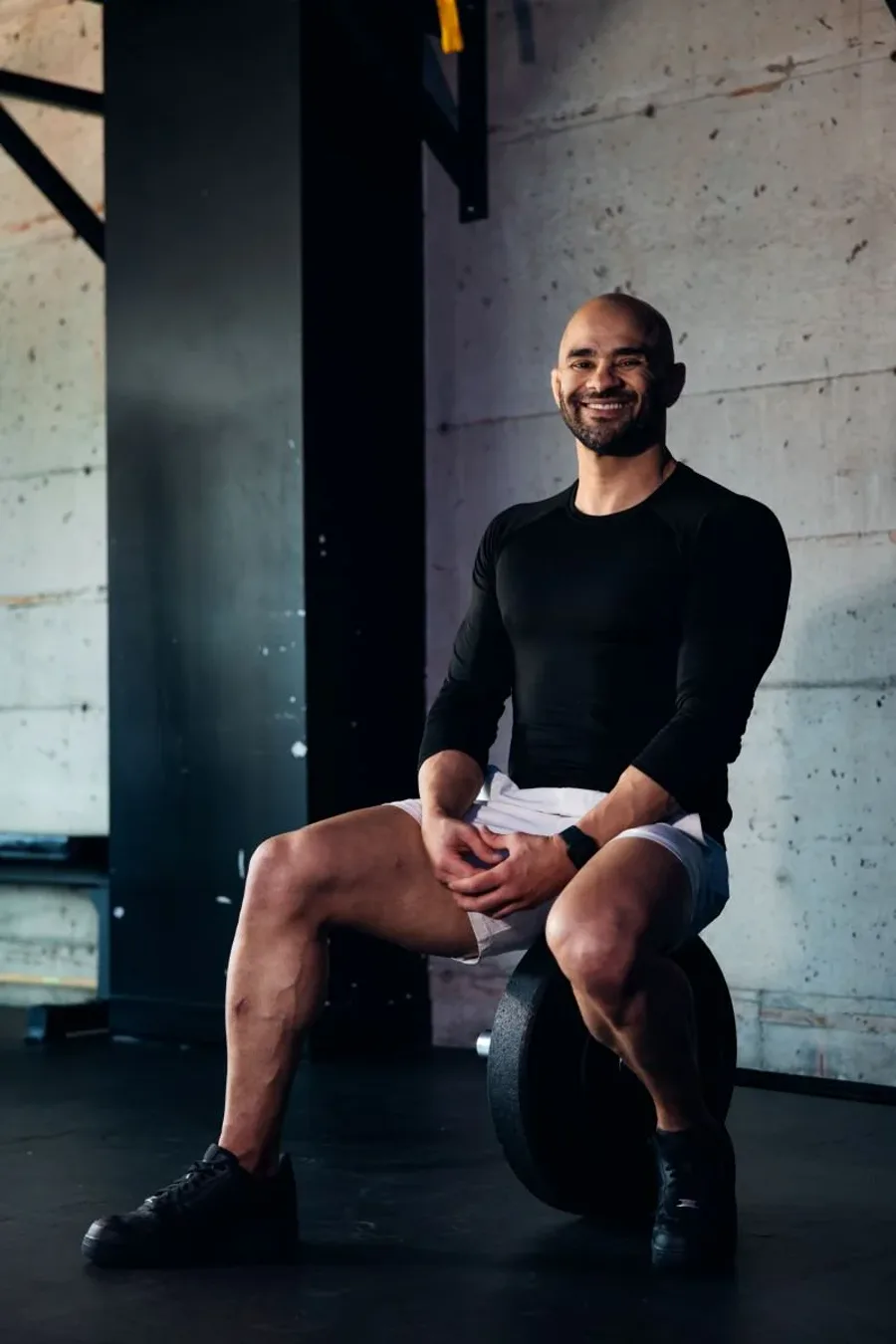
Fitnizer comes from JD Botezelli PhD — an endocrine physiologist whose work centers on insulin resistance and how the body uses food. That background is exactly what shaped Fitnizer's rules: protect muscle, ease digestion, keep the food real. It's the difference between an app that follows nutrition trends and one built on how metabolism actually works.
Fitnizer comes from JD Botezelli PhD — an endocrine physiologist who studies how the body actually uses food.
Trackers charge twenty dollars a month to log what you already ate. Fitnizer changes the recipe, and your first five are free.
Coaches and creators: 10 new recipes a day (up to 70 a week) for $9.99 a month, 7 days free to start. Branded recipes, send-to-client and bulk rebuilds are coming. Tell us you want it.